


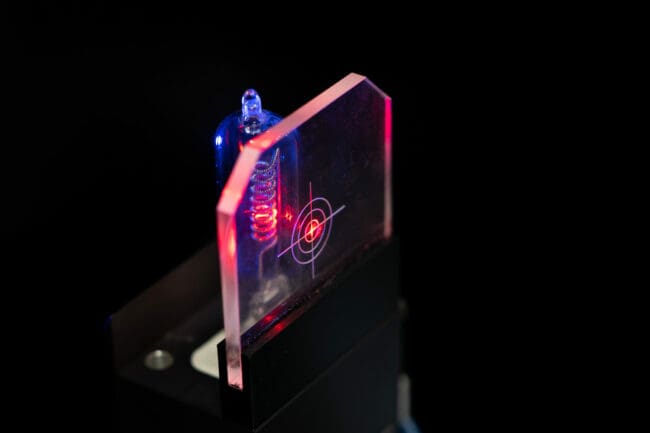
RMG Research on optical microscopes (Research Mobility Grant 20FUN02-RMG1)
This Research mobility grant together with EMPIR project 20FUN02 POLight aims to enhance multiple optical measurement methods for use in nano-metrology.


This Research mobility grant together with EMPIR project 20FUN02 POLight aims to enhance multiple optical measurement methods for use in nano-metrology.

This project addresses this issue by developing novel methods to help bridge the metrology gap and in turn foster KET innovation. More specifically, this project will push the boundaries of optical measurement methods by realising a new generation of optical metrology systems, with unprecedented performances in terms of spatial resolution, traceability, reliability and robustness.
The optics and semiconductor industries use innovative materials and complex nanostructures in their products whose optical properties are difficult to measure and often not accurately known. This project is developping advanced mathematical methods to traceably characterise these materials for wavelength ranges from soft X-ray to IR.
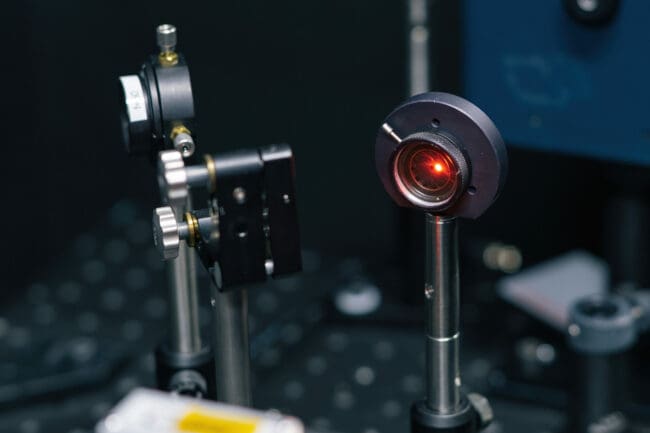
To remain competitive, European manufacturers strive to make constant improvements in their manufacturing processes. The surface topography of a component part can have a profound effect on the function of the part. This is true across a wide range of industries (such as precision engineering, automotive and medical).

The shift towards more renewable and sustainable technologies has increased the attractiveness of DC grids as an alternative or addition to the existing AC grids

The main goal of the Green Transport Delta – Hydrogen project is to develop three hydrogen technologies: hydrogen combustion engines, hydrogen fuel cells, and next generation technology for hydrogen refueling infrastructure.

Creating a metrological framework to support growing demands for ‘green’ hydrogen as part of the EU’s climate strategy.
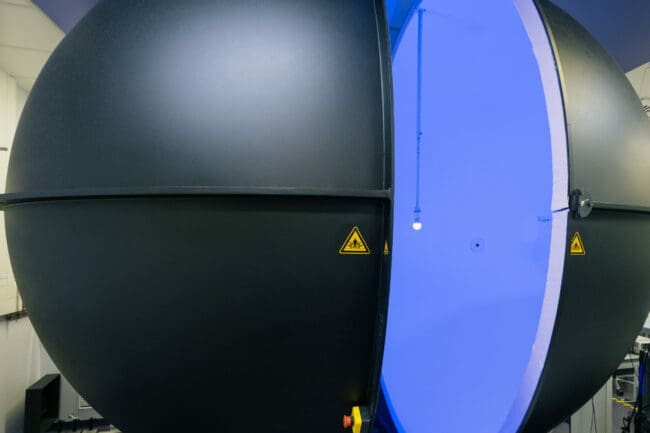
LED-based lighting contributes to energy saving and the reduction of the environmental impact of lighting. However, LED lamps can show fluctuations in the light output known as temporal light modulation (TLM)
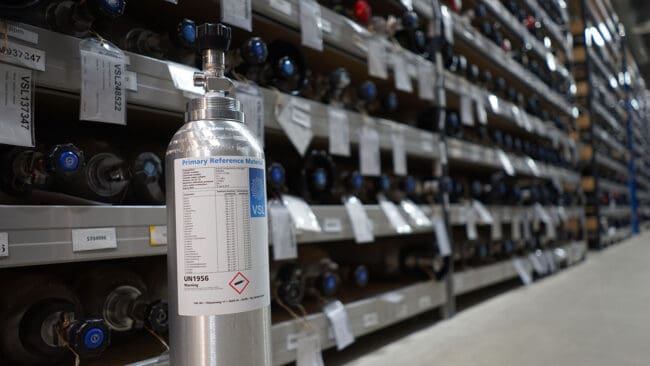
Given that European citizens spend more than 80 % of their time indoors, it is vital to have a healthy indoor environment. Building materials, such as paints, flooring, and from other products used indoors, such as furniture, emit harmful substances.
The goal of this project is therefore to fulfill the needs of IEC TC 38 “Instrument Transformers” to establish PQ-relevant indices for performance assessment of instrument transformers, test procedures, reference setup requirements, and methodologies to quantify uncertainty contributions.
To provide the best experiences, we use technologies like cookies to store and/or access device information. Consenting to these technologies will allow us to process data such as browsing behavior or unique IDs on this site. Not consenting or withdrawing consent, may adversely affect certain features and functions.