




The Netherlands takes a step towards resilient time
News
A consortium consisting of SIDN, AMS-IX, VSL and SURF is going to make time distribution in the Netherlands more resilient. The Ministry of Economic Affairs and Climate Policy has made €250,000 available for this. An accurate and reliable time is indispensable for the functioning of our society. Payments, logging into digital systems and the functioning of the internet all depend on a uniform and resilient time signal.
The Netherlands currently still depends on a number of separate time sources for its time signal, including satellite systems that can be disrupted. By bringing together the knowledge and expertise within the consortium, it will be possible to make the public time provision more resilient. The new service operates independently of satellite systems such as GPS. As a result, the time signal remains available when satellite signals fail or are disrupted. Dutch organisations will soon be able to use it free of charge.
An incorrect time can have major consequences. Systems can crash, problems can occur in healthcare and payment systems can fail. Digital access and authorisation systems can also stop working if systems are no longer synchronised. For telecommunications networks, such as those used for train or air traffic, but also for the normal use of the internet, accurate synchronisation is crucial.
“Resilient time does not originate from one organisation, but through collaboration. As the National Metrology Institute, VSL provides the independent, traceable time base; together with our consortium partners, we ensure that reliable time remains available for the systems and infrastructure that the Netherlands relies on every day.”
Important first step with a resilient time signal
The time provision in the Netherlands is vulnerable. The consortium partners consider it important, as part of their public and societal role, to contribute to a more resilient time signal. Together, they are taking an important first step in making the Dutch public time provision more resilient.
The time signal is connected to atomic clocks located at various locations in the Netherlands. Via existing digital terrestrial infrastructure, the time from these clocks is made available to the various time servers of the consortium members. Together, these time servers form a single pool from which the time signal is composed. If one time server fails, the correct time remains available via the other clocks and servers in the network.
Information about the project can be found at weerbaretijd.nl, where more information about the use of the service will be made available at a later stage. The time provision is expected to be available by the end of 2027.
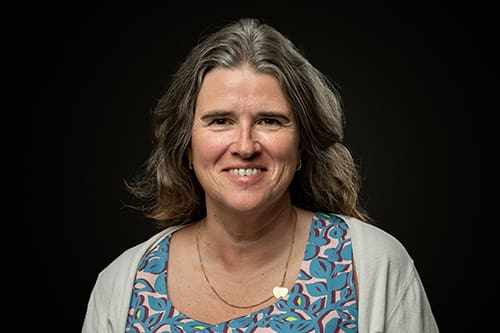
Fabienne van Booma
CEO