


Standardisation of measurements for DC electricity grids (20NRM03 DC grids)
The shift towards more renewable and sustainable technologies has increased the attractiveness of DC grids as an alternative or addition to the existing AC grids


The shift towards more renewable and sustainable technologies has increased the attractiveness of DC grids as an alternative or addition to the existing AC grids

The main goal of the Green Transport Delta – Hydrogen project is to develop three hydrogen technologies: hydrogen combustion engines, hydrogen fuel cells, and next generation technology for hydrogen refueling infrastructure.

Creating a metrological framework to support growing demands for ‘green’ hydrogen as part of the EU’s climate strategy.

LED-based lighting contributes to energy saving and the reduction of the environmental impact of lighting. However, LED lamps can show fluctuations in the light output known as temporal light modulation (TLM)
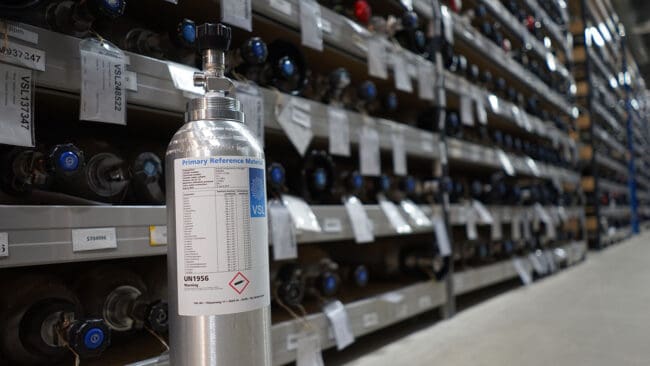
Given that European citizens spend more than 80 % of their time indoors, it is vital to have a healthy indoor environment. Building materials, such as paints, flooring, and from other products used indoors, such as furniture, emit harmful substances.

The goal of this project is therefore to fulfill the needs of IEC TC 38 “Instrument Transformers” to establish PQ-relevant indices for performance assessment of instrument transformers, test procedures, reference setup requirements, and methodologies to quantify uncertainty contributions.
The aim of this project is to develop a SI-traceable calibration service to enable evaluation of photobiological safety of lamps and lamp systems, including LED based sources.
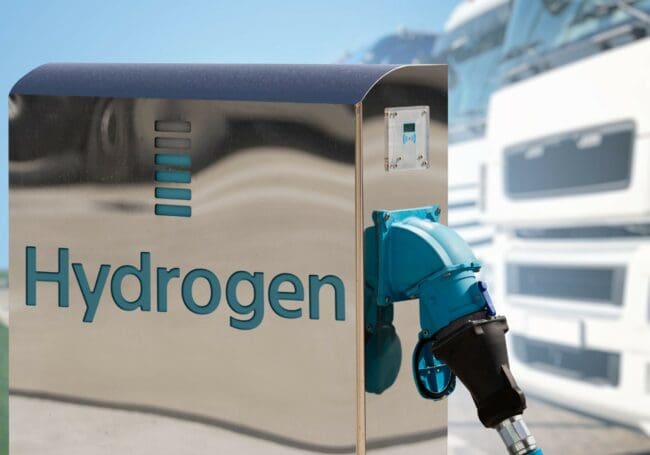
Creating a metrological framework to support growing demands for ‘green’ hydrogen as part of the EU’s climate strategy.
This project will deliver accessible traceability to the stakeholder community by developing efficient and cost-effective methods for the preparation of traceable gas transfer standards for the performance evaluation of biomethane monitoring systems.

For decades gaseous mercury concentration measurements have been calibrated based on mercury vapour pressure equations (e.g., the Dumarey or the Huber equation). Currently these equations differ from each other by more than 7 % at 20 °C and this discrepancy is of great concern as it hampers comparable and reliable measurement results for mercury concentrations in the atmosphere and emissions sources.