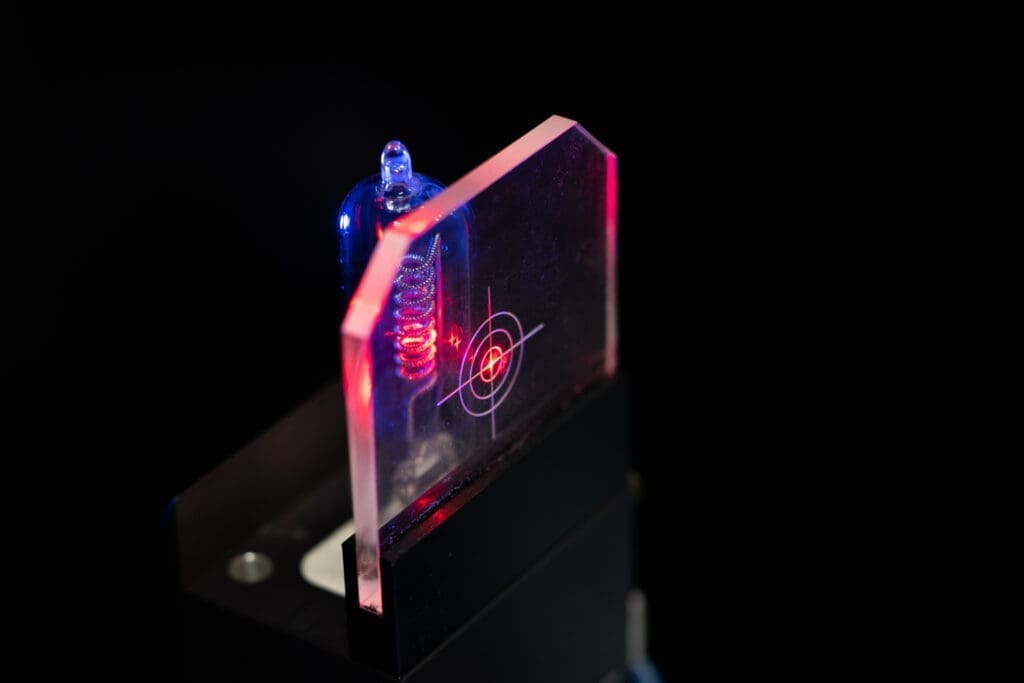



Metrology for Hydrogen Vehicles 3
(MetroHyVe 3)
Projects
Metrology for Hydrogen Vehicles 3 (MetroHyVe 3)
The number of hydrogen refuelling stations in the Netherlands and across Europe is increasing. Due to applications in heavy-duty transport, the intended refuelling speed (flow rate) is rising, and the delivered quantities are becoming larger. Quality remains crucial—especially for fuel cell vehicles—particularly now that hydrogen is being produced and transported in increasingly diverse ways. To ensure the success of hydrogen refuelling stations, it is also important to minimize downtime caused by calibrations and verifications.
This project therefore focuses on developing faster methods for hydrogen flow calibrations (using master meters), combining flow calibrations with sampling for quality measurements, creating test protocols for gas composition sensors, and investigating potential new impurities.
Meer weten over onze diensten?
Onze experts staan voor je klaar.
Marcel Workamp
Principal Scientist Gas Flow
Our role
VSL is working on hydrogen flow calibration using master meters. The feasibility of using surrogate media for calibrating hydrogen flow meters will be investigated. In addition, VSL will acquire and validate a sampling system that is compatible with flow standards. The goal is to enable VSL to efficiently validate both quality and quantity measurements at hydrogen refuelling stations.
Although NPL formally coordinates the project, VSL will also take on part of the coordination. In this project, VSL collaborates with 22 sister/research institutes and industrial partners located across Europe.
Start Date: August 1, 2025
End Date: July 31, 2028
Read more about this project on the website van MetroHyVe3.
“The project has received funding from the European Partnership on Metrology, co-financed from the European Union’s Horizon Europe Research and Innovation Programme and by the Participating States.”
“This project is co-financed by the Dutch Ministry of Economic Affairs.”
Projects
Our expertise in practice
Read more about our projects.

July 1st 2026
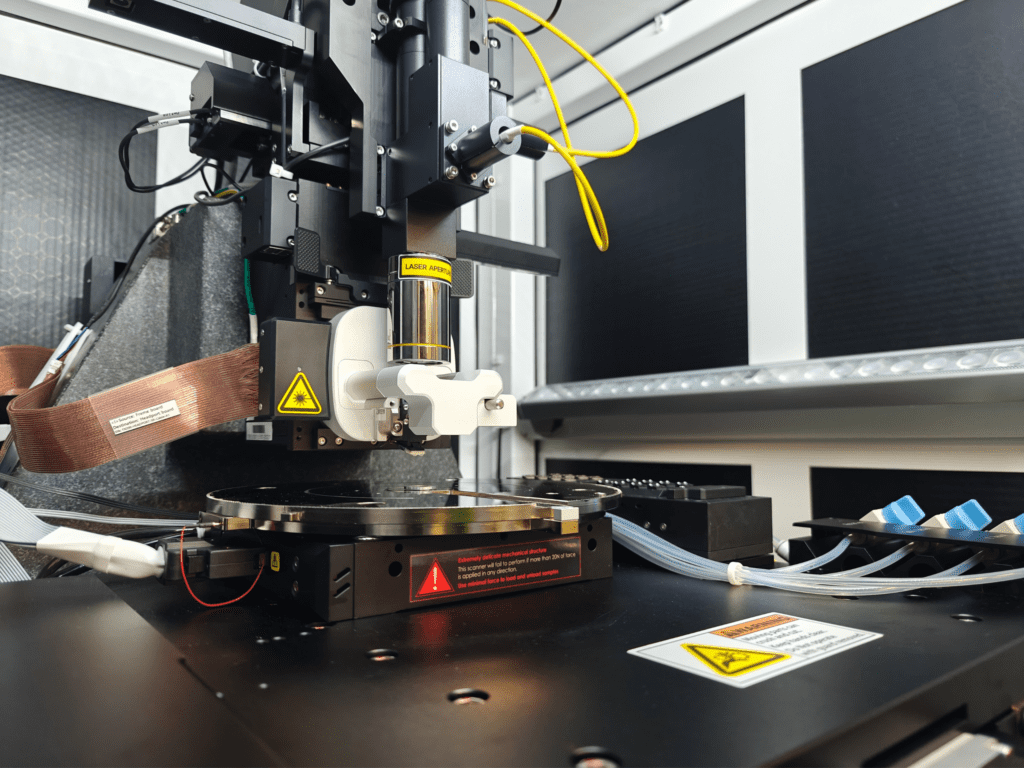
VSL advances quantum chip development through the QORRELATIONS project
Discover how VSL contributes to the QORRELATIONS project by developing traceable measurement methods and validation techniques for reliable quantum chip technology.
December 23rd 2025
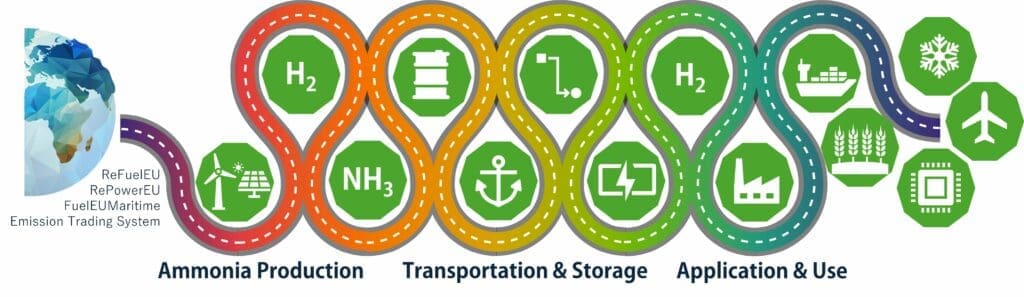
Metrology for Ammonia as an Energy Carrier
Given its higher volumetric energy density compared to hydrogen, ammonia is expected to play a significant role in long-term energy storage. To ensure a safe and fair rollout of ammonia as an energy carrier, it is essential to establish infrastructure for measuring quantity, quality, and emissions.
April 15th 2025
New standards for calibration of spectroradiometric measurement instruments
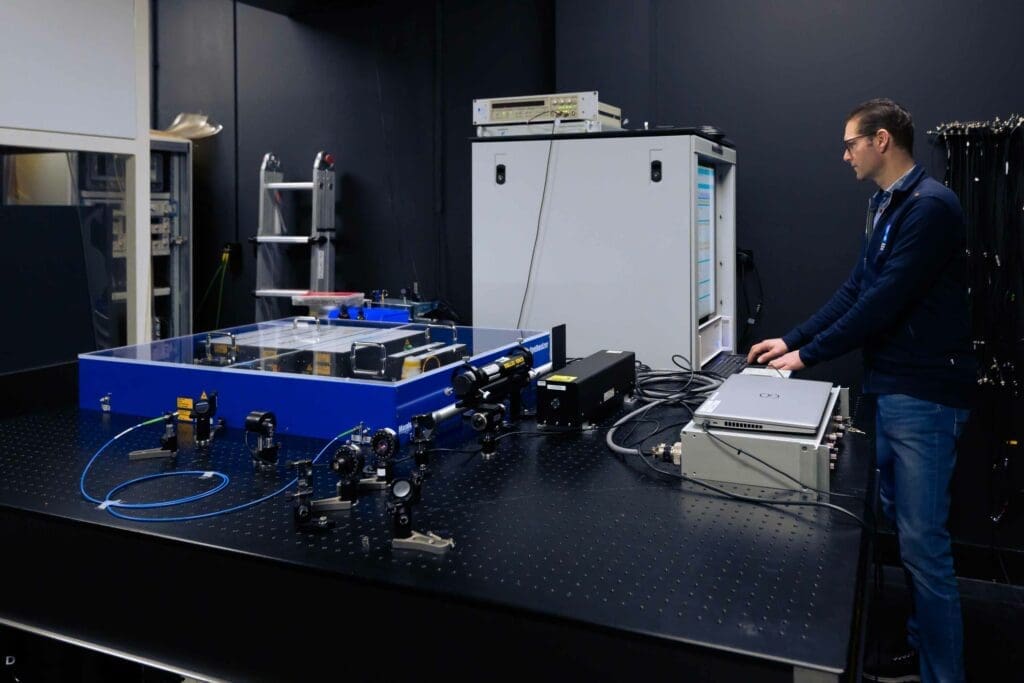
Developing new standards for calibration of spectroradiometric measuring instruments, with VSL focusing primarily on new sources and detector-based methods.
January 9th 2025
Traceable machine vision systems for digital industrial applications
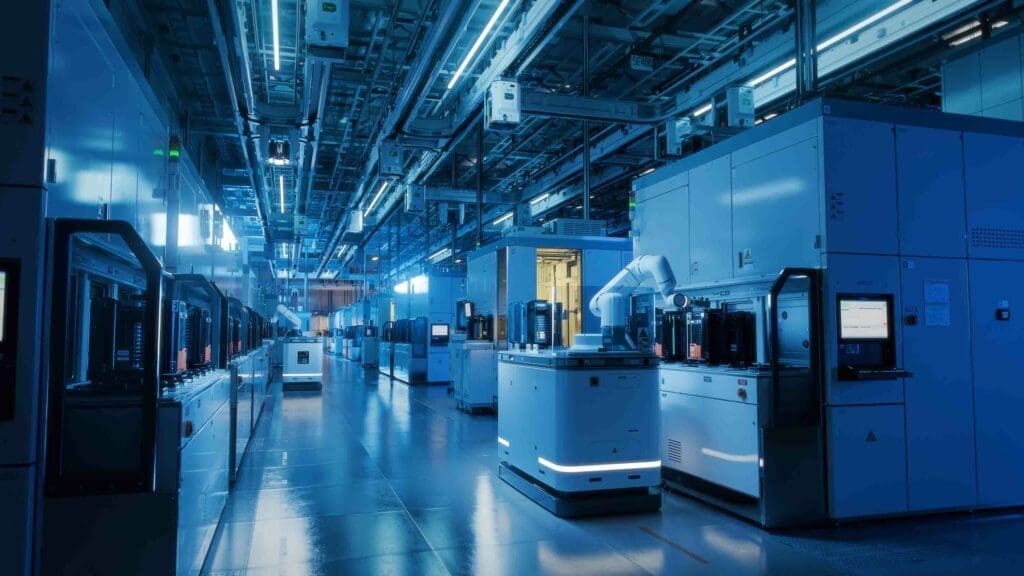
Machine vision systems are crucial to many high-value industries, where Europe is globally competitive, and to the EU objectives for digital transformation and the Green Deal.


November 28th 2023
Virtual experiments and digital twins (ViDiT)
Virtual experiments and digital twins are key enabling technologies to achieve and realise European strategic policies devoted to sustainability and digitalisation within the complex framework of Industry 4.0 and the European Green Deal.
August 15th 2023
Metrology for Aerosol Optical Properties (MAPP 19ENV04)
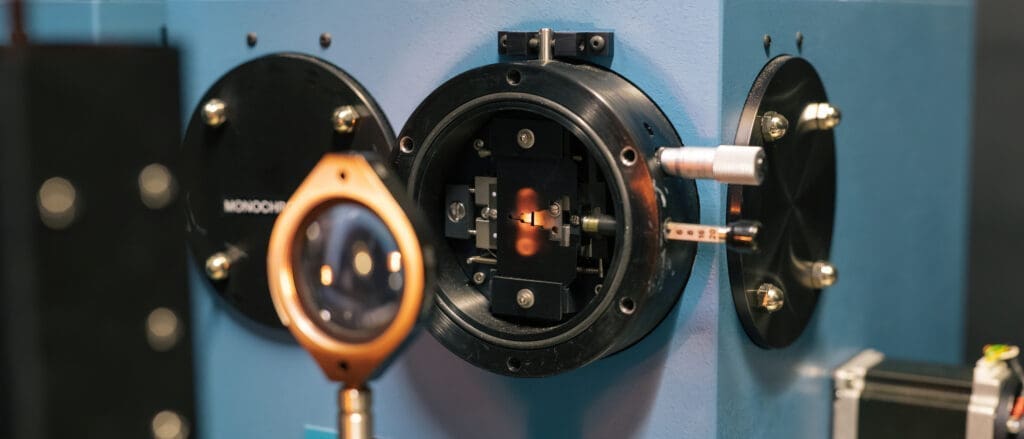
The goal of this project is to enable the Si-traceable measurements of column-integrated aerosol optical properties retrieved from the passive remote sensing of atmosphere using solar and lunar measurements.